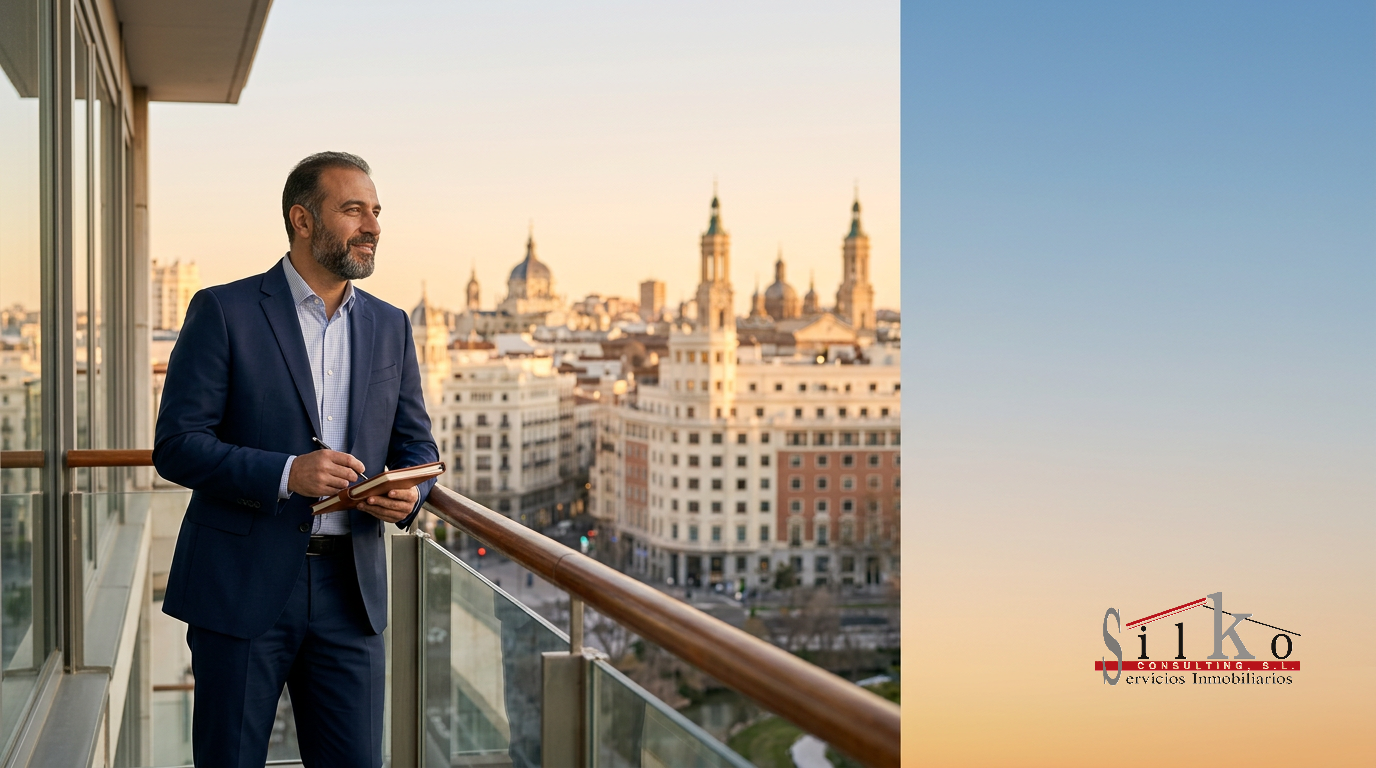
Madrid has evolved into more than just a Mediterranean capital; for the Middle Eastern executive, it has become a strategic sanctuary where Western professional standards meet a deeply respectful, high-end cultural lifestyle. As we look toward 2026, the migration of C-suite talent from Riyadh, Dubai, and Doha to the Spanish capital is accelerating. This shift is driven by a unique combination of security, architectural grandeur, and a lifestyle that mirrors the hospitality standards of the Gulf.
However, relocating a high-profile family is not merely a matter of finding a luxury property. It is about understanding the "Hosting vs. Hiding" trade-off. For many MENA professionals, the standard European "luxury apartment" often fails to meet the logistical needs of private hospitality and the cultural requirement for visibility control. This guide ranks the top residential enclaves that truly cater to these specific needs.
Why Madrid is Becoming the Preferred Hub for MENA Executives
The business ties between the GCC (Gulf Cooperation Council) and Spain have strengthened significantly, with bilateral investments in green energy and technology providing a solid foundation for long-term residency. For an executive moving in 2026, Madrid offers something London or Paris often lack: a welcoming social atmosphere that feels familiar yet fresh.
One recent case involved a senior director from a sovereign wealth fund. Initially, he looked at traditional European capitals but found the security protocols in residential areas too intrusive or the social integration too cold. In Madrid, he found a city that lives outdoors but respects the "walled villa" culture he required. The infrastructure for premium international living is now fully mature, from private banking desks specialized in Middle Eastern assets to a retail ecosystem in the Golden Mile that rivals the Dubai Mall in exclusivity.
- Takeaway: Madrid’s luxury real estate market has seen a 12% year-on-year increase in demand from MENA investors, primarily driven by the "Golden Visa" legacy and the high quality of private security infrastructure.
1. Salamanca District (Recoletos & Castellana) houses
The Salamanca district remains the undisputed symbol of status in Madrid. For executives who need to be minutes away from their corporate headquarters on Paseo de la Castellana or the IE Business School, this area offers unparalleled architectural heritage.
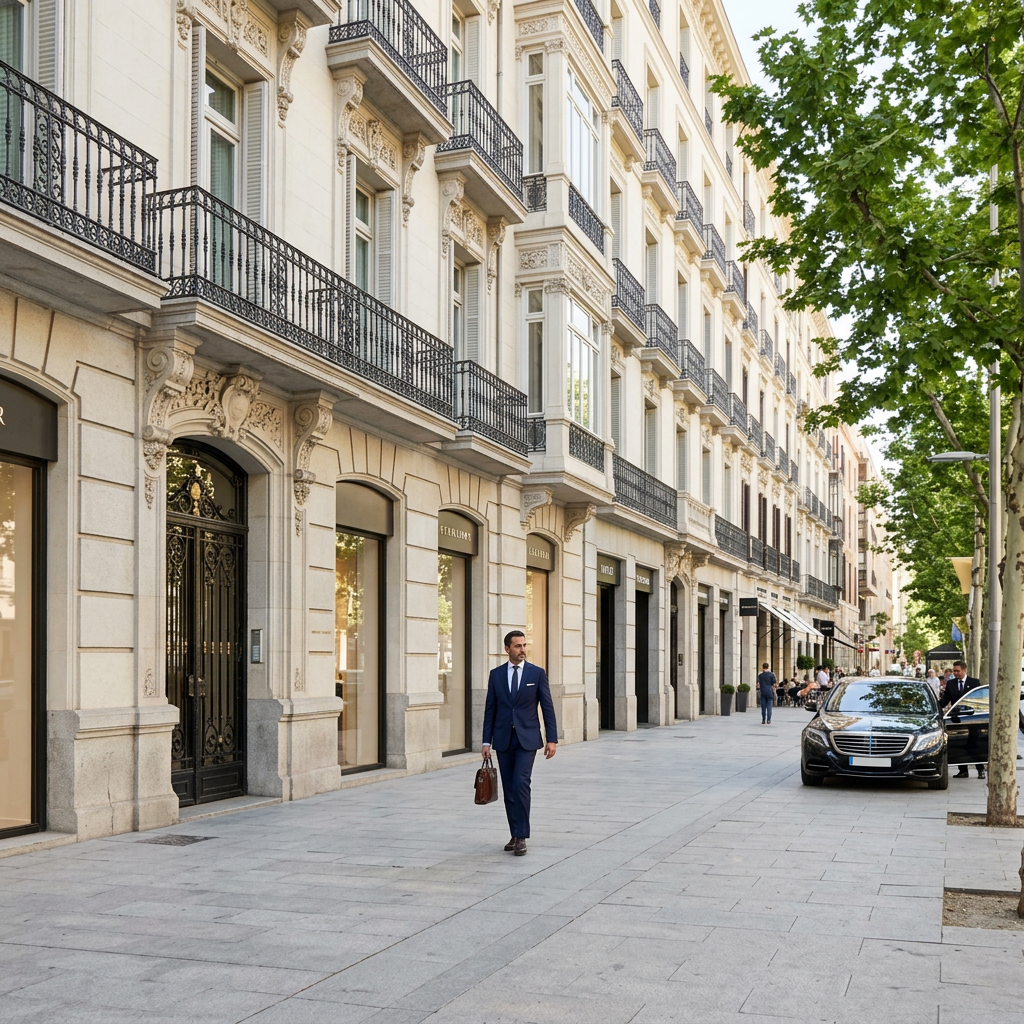
The apartments here are grand, often featuring 4-meter high ceilings and intricate crown molding. However, for a Middle Eastern family, Salamanca presents a specific challenge: the lack of private driveway access. Most buildings are street-facing, meaning high-profile arrivals are visible. Despite this, the proximity to the high concentration of luxury boutiques on Calle Serrano and fine dining establishments like Amazonico or BiBo makes it the primary choice for those who value being at the heart of the social "Golden Mile."
- Takeaway: Recoletos currently commands prices exceeding €15,000 per square meter, reflecting its status as the most supply-constrained luxury sub-market in Spain.
2. La Moraleja Estate
For families, La Moraleja is the gold standard. Located just 15 minutes north of the city center and 10 minutes from Barajas International Airport (M-12 terminal), it offers the "compound" lifestyle that many Middle Eastern professionals prefer.
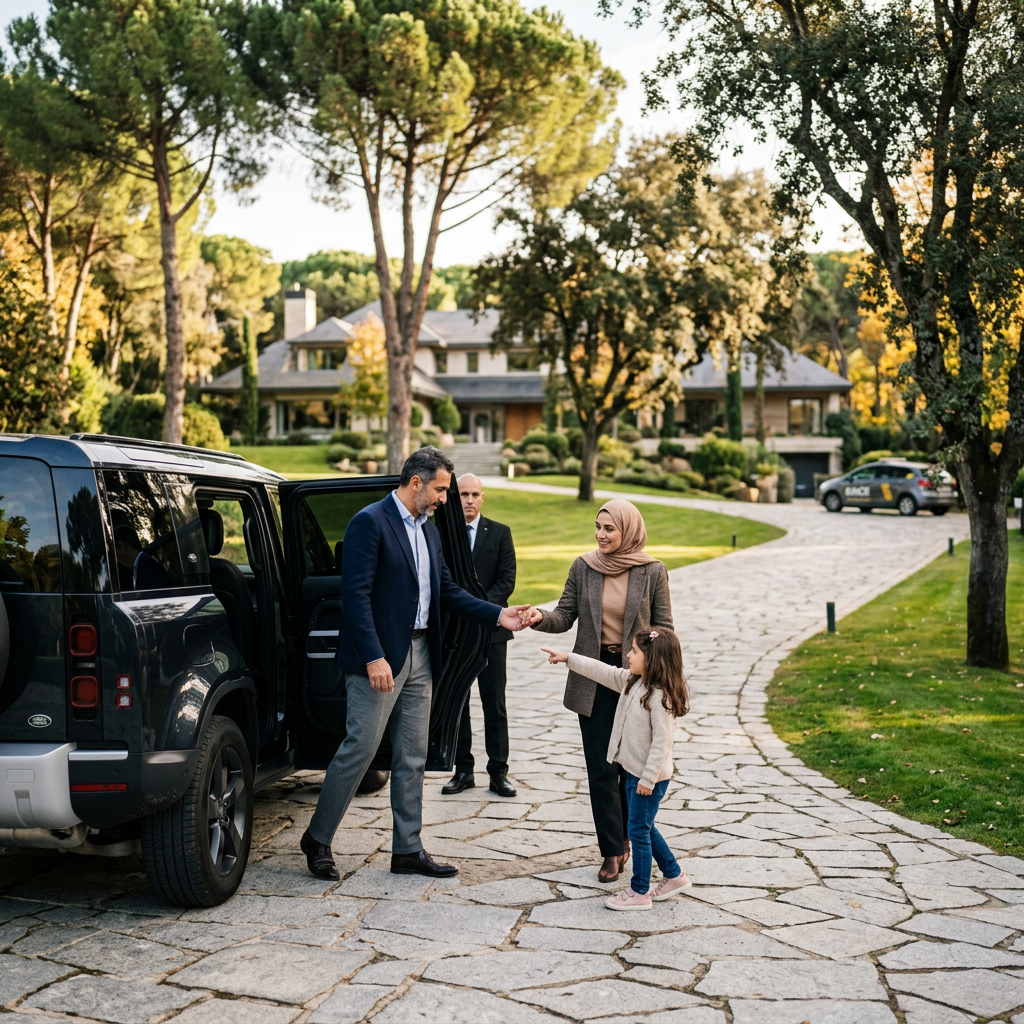
Unlike the city center, houses in La Moraleja are independent estates with high perimeter walls and extensive private gardens. We recently helped a family from Jeddah settle here specifically because the house layout allowed for "internal circulation"—different wings for guests and staff, and multiple kitchens (a "wet" and "dry" setup) which are almost impossible to find in Salamanca. Furthermore, the area is home to the most prestigious international schools, including Kings College and Runnymede, making the "morning run" a matter of 5 minutes rather than 45.
- Takeaway: La Moraleja provides 24/7 private patrol security, with average response times under 3 minutes for any residential alarm trigger.
3. El Viso (Chamartín)
El Viso is often described as a "garden city" hidden in the middle of the metropolis. It is the most discreet luxury zone in Madrid. Many of the villas here are "off-market" and traded between families without ever appearing on a public listing.
For the executive who wants a house with a garden but refuses to live in the suburbs, El Viso is the only option. It offers "stealth luxury." To a passerby, a villa might look like a modest heritage building, but behind the gates lies a 600-square-meter home with a private pool and underground parking. It is the preferred choice for those who value architectural heritage and need to be within walking distance of the financial district (AZCA).
- Takeaway: Properties in El Viso have historically maintained their value better than any other district in Madrid, with a 0% vacancy rate in the luxury rental segment.
How do security and privacy standards in Madrid meet high-level MENA requirements?
For high-level management and diplomatic profiles, physical security is a non-negotiable standard. Madrid’s elite neighborhoods have adapted by integrating advanced biometric technology and gated layouts that allow for what we call "blind spot" living.
In areas like Puerta de Hierro or La Moraleja, houses are designed so that the main living areas are not visible from the street or neighboring properties. This "visibility control" is essential for families who wish to maintain their privacy while enjoying their outdoor spaces. Most premium villas now come equipped with Grade 4 security doors, armored "panic rooms," and CCTV systems integrated with local police networks. When we source a property, we conduct a full security audit to ensure it meets the specific cultural and safety requirements of our Middle Eastern clients.
- Takeaway: 95% of new luxury developments in Madrid’s outskirts now include "smart perimeter" sensors as a standard feature for international executive residents.
Which Madrid neighborhood aligns best with my family’s 2026 lifestyle requirements?
Choosing between the districts is a strategic decision based on three pillars: Architectural Freedom, Security/Scale, or Social Status.
If your lifestyle involves frequent large-scale private entertaining and you have a large household staff, La Moraleja is technically superior due to its space. If you are a young executive couple who enjoys walking to the office and dining at the city's latest Michelin-starred restaurants, Salamanca is unbeatable. However, we often see Middle Eastern residents face a tension between the heritage protection of Salamanca (which prevents installing high perimeter walls) and their need for privacy.
- Takeaway Checklist for 2026 Moves:
1. Verify the "hosting capacity" of the floor plan (separate social and private flows). 2. Check the proximity to the M-12 for weekly airport commutes. 3. Confirm if the building allows for "armored glass" retrofitting (common in Salamanca).
Lifestyle Integration: From Fine Dining to International Schools
Madrid is rapidly becoming the European capital of luxury lifestyle. For MENA families, the availability of high-end halal-friendly dining is a major draw. Restaurants like Zalacaín and Saddle have long traditions of catering to Middle Eastern palettes with discretion and excellence.
Beyond dining, the "flocking" of elite international schools to Madrid (such as the expansion of the British Council and American School) ensures that the educational transition is seamless. We often advise parents to choose the neighborhood after selecting the school, as Madrid’s traffic can turn a short distance into a long commute. The growth of the "executive lifestyle" in Madrid also include private medical services like the Quirónsalud and Sanitas hubs, which offer specialized international patient departments.
- Takeaway: There are now over 15 world-class international schools within a 20-minute radius of Madrid’s northern luxury axis.
Strategic Relocation: The Role of a Trusted Advisor
The true cost of a slow relocation isn't the temporary housing bill; it's the 15-20% drop in executive productivity during the first 90 days due to "decision fatigue" over local logistics. A professional relocation service acts as a "trusted concierge," handling everything from the NIE residency card to utility setup and school interviews.
Our role is to make the transition invisible. We manage the "Zero-Friction Landing" protocol, ensuring that the executive’s house is fully operational—stocked with preferred groceries, high-speed fiber connected, and staff vetted—at least 72 hours before they walk into their new office. This level of mastery and discretion is what allows the global elite to make Madrid feel like home from day one.
- Takeaway: A professional relocation concierge saves an average of 45 executive hours during the first month of a move, directly impacting corporate ROI.
For a personalized consultation on your relocation to Madrid, visit our full-service relocation catalog or contact us today to begin your journey.